
Sustainable and Innovative: The Future of Regenerated Fiber Fabrics
Regenerated fabrics are transforming the textile industry by offering a sustainable alternative to traditional fabrics. These innovative fabrics are made from recycled materials, making them an eco-friendly choice that does not compromise on quality. In this article, we’ll explore the advantages of regenerated fiber fabrics, their production process, and their role in shaping the future of fashion.
Quick Summary
Regenerated fiber fabrics are reshaping the textile industry by offering a sustainable, eco-friendly alternative to conventional fabrics. These fabrics are made from recycled materials, such as plastic bottles and fabric waste, and offer a perfect balance of durability, high performance, and environmental responsibility. With growing concerns over environmental sustainability, regenerated fabrics provide a reliable and high-quality option for various applications, from fashion to industrial use. This article delves into their production process, features, and how they contribute to a greener, more sustainable future for the textile industry.
Regenerated fabrics are transforming the textile industry by offering a sustainable alternative to traditional fabrics. These innovative fabrics are made from recycled materials, making them an eco-friendly choice that does not compromise on quality.
In this article, we’ll explore the advantages of regenerated fiber fabrics, their production process, and their role in shaping the future of fashion.
Product Details & Comparison
| Category | Material | Craft | Applications |
|---|---|---|---|
| 190T Pongee | Polyester | Pongee Weaving | Apparel, Lining Fabrics |
| 100D Semi-dull High Elastic | Polyester | Semi-dull, High Elastic | Activewear, Sportswear, Outdoor Gear |
| 150D Semi-dull High Elastic | Polyester | Semi-dull, High Elastic | Bags, Outdoor Apparel, Lining |
| 75D Semi-dull High Elastic | Polyester | Semi-dull, High Elastic | Jackets, Bags, Sportswear |
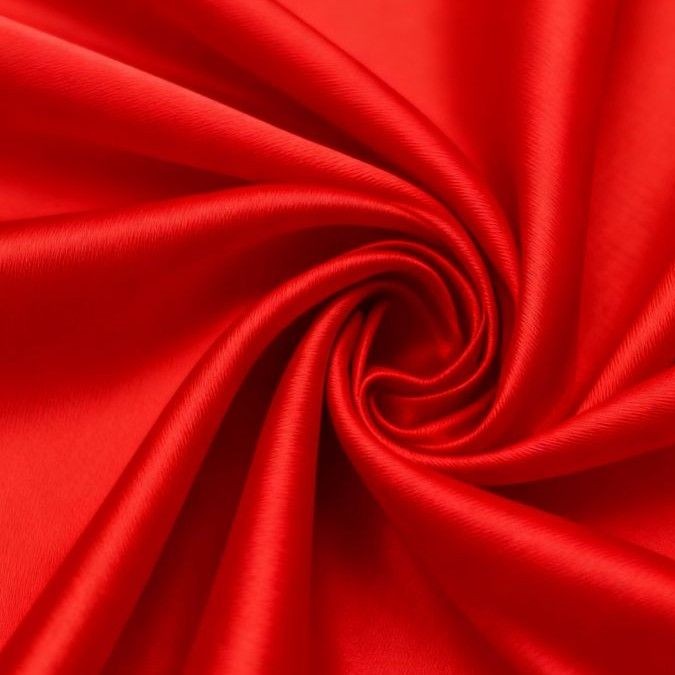
| Satin Weave | Polyester | Satin Weaving | Evening Wear, Fashion, Upholstery |
| Gabardine | Wool/Polyester blend | Twill Weaving | Suits, Uniforms, Trousers |
| 75D Double Warp Double Weft | Polyester | Double Weft Weaving | Bags, Lining Fabrics |
| 150D Matt High Elastic | Polyester | Matt Finish, High Elastic | Fashion Apparel, Activewear |
| Diagonal Peach 98g | Polyester/Blended | Diagonal Weaving | Casual Wear, Jackets, Sportswear |
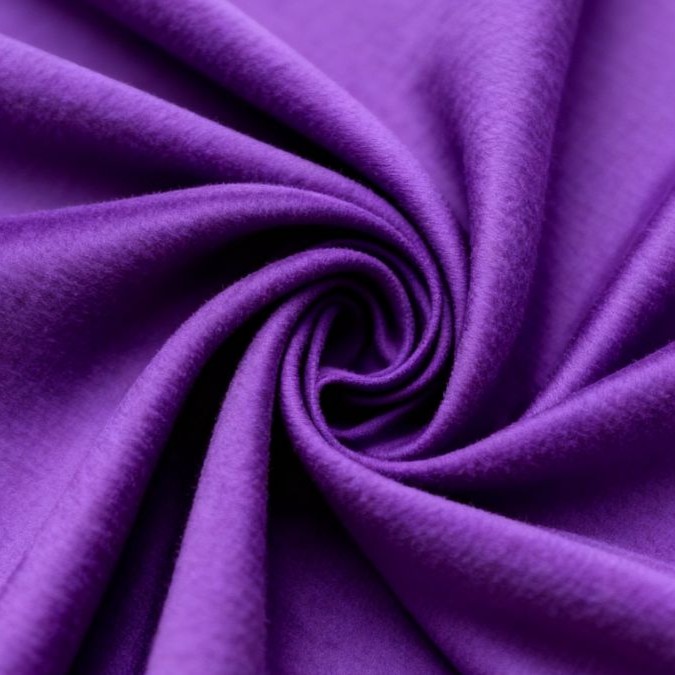
| Soft Wool-like Fabric | Polyester/Wool blend | Soft Finish | Suits, Jackets, Winter Apparel |
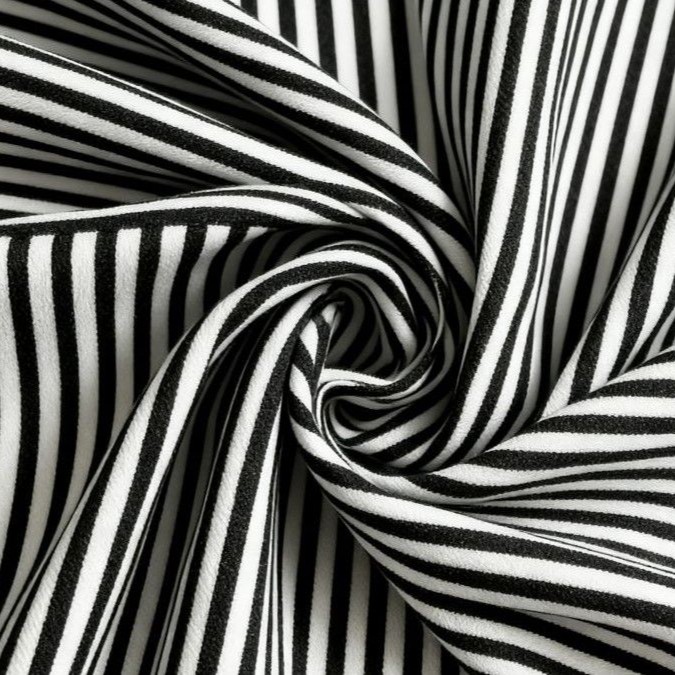
| Black Yarn-dyed Pongee | Polyester | Pongee Weaving, Yarn-Dyed | Outerwear, Fashion, Bags |
| T400 Mini Oxford | Polyester/Spandex blend | Oxford Weaving | Casual Wear, Activewear |
Materials and Construction:
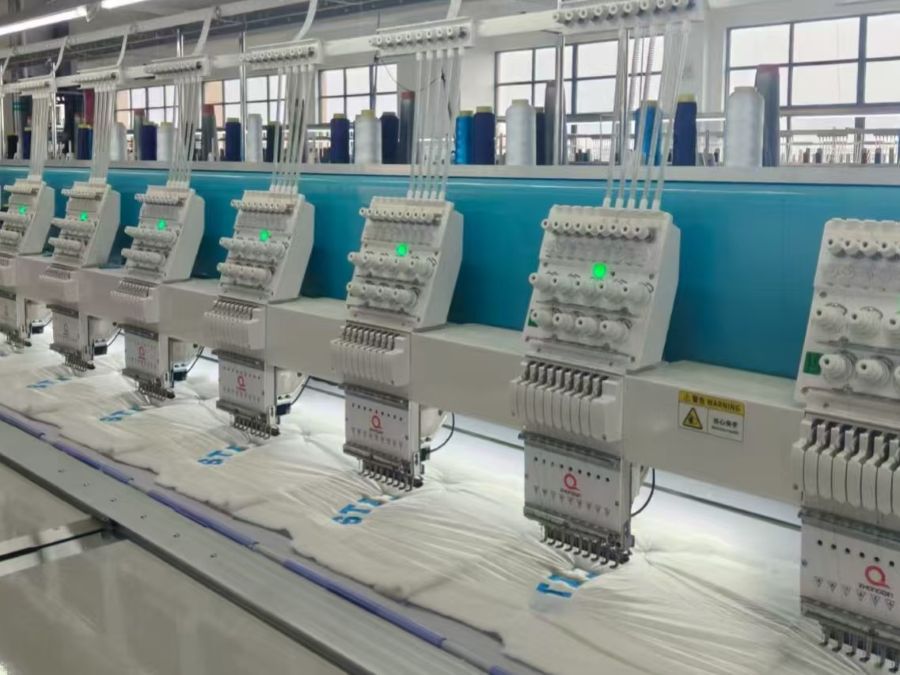
Our regenerated fiber fabrics are made from recycled materials like plastic bottles and fabric waste. This process helps reduce the environmental impact of fabric production. The fabrics are treated with eco-friendly dyes and finishes, ensuring durability, high performance, and environmental responsibility.
Capacity & Usage Scenarios
Capacity Adaptation List:
| Category | Features (Characteristics) | Applications |
|---|---|---|
| 190T Pongee | Lightweight, smooth finish, affordable | Apparel, Lining Fabrics |
| 100D Semi-dull High Elastic | High elasticity, semi-dull finish, durable | Activewear, Sportswear, Outdoor Gear |
| 150D Semi-dull High Elastic | Increased durability, semi-dull, high elasticity | Bags, Outdoor Apparel, Lining |
| 75D Semi-dull High Elastic | Lightweight, high elasticity, water-resistant | Jackets, Bags, Sportswear |
| Satin Weave | Shiny surface, smooth texture, luxurious feel | Evening Wear, Fashion, Upholstery |
| Gabardine | Dense twill weave, durable, smooth surface | Suits, Uniforms, Trousers |
| 75D Double Warp Double Weft | Tight weave, durable, strong structure | Bags, Lining Fabrics |
| 150D Matt High Elastic | Matte finish, high elasticity, soft feel | Fashion Apparel, Activewear |
| Diagonal Peach 98g | Soft texture, diagonal weave, lightweight | Casual Wear, Jackets, Sportswear |
| Soft Wool-like Fabric | Soft texture, warmth, wool-like feel | Suits, Jackets, Winter Apparel |
| Black Yarn-dyed Pongee | Yarn-dyed, smooth, stable color retention | Outerwear, Fashion, Bags |
| T400 Mini Oxford | Oxford weave, soft finish, breathable | Casual Wear, Activewear |
Internal Structure Design:
These fabrics are used to create bags and products with internal compartments such as padded sections for laptops, internal zipper pockets for valuables, and key holders to keep items organized.
Real-Life Loading Video:
Watch how regenerated fiber fabrics can efficiently accommodate a laptop, travel items, and everyday essentials while maintaining comfort and style.
Scene Card:
These fabrics are perfect for commuting, business travel, international trips, and weekend leisure. Their versatility makes them an ideal choice for a wide range of situations.
Craftsmanship & Material Certifications
All materials used in the production of regenerated fiber fabrics are responsibly sourced and certified to meet international sustainability standards. This ensures that our products are not only high-quality but also environmentally friendly.
Field Insight: How Regenerated Fiber Fabrics Are Leading the Way in Sustainable Fashion
Regenerated fiber fabrics are more than just a trend; they are the future of sustainable fashion. By turning recycled materials like plastic bottles and old fabrics into new, high-performance textiles, regenerated fibers reduce waste and carbon emissions, offering a greener alternative to traditional fabric production. These fabrics not only meet the performance and aesthetic needs of consumers but also align with the global push for more environmentally responsible manufacturing processes.
Produced with care and a commitment to sustainability, regenerated fiber fabrics are helping to transform the fashion industry into one that is both innovative and environmentally responsible. With increasing consumer demand for green alternatives, these fabrics offer endless possibilities for both brands and consumers looking to make more sustainable choices.
FAQ
Q1. What are regenerated fiber fabrics made from?
Regenerated fibers are produced using recycled materials such as plastic bottles, old clothing, or fabric scraps. These materials are processed into new fibers, reducing waste and environmental impact.
Q2. How durable are regenerated fiber fabrics compared to traditional fabrics?
Regenerated fiber fabrics offer similar, if not better, durability than traditional fabrics. They are designed to withstand regular use and provide long-lasting performance.
Q3. Are regenerated fiber fabrics eco-friendly?
Yes, regenerated fiber fabrics are highly eco-friendly. They help reduce textile waste, lower carbon emissions during production, and contribute to a more sustainable fashion industry.
Q4. Can regenerated fiber fabrics be used for all types of clothing?
Yes, these fabrics are versatile and can be used for various applications, including casual wear, activewear, and high-end fashion products.
Q5. How does the production of regenerated fiber fabrics compare to traditional fabric production in terms of environmental impact?
The production of regenerated fiber fabrics is significantly more sustainable than traditional fabric production, requiring fewer resources, less water, and emitting lower carbon levels.
Q6. Where can I purchase products made from regenerated fiber fabrics?
Many eco-conscious brands, including those focusing on sustainable fashion, offer products made from regenerated fibers. Look for clothing or accessories that use recycled materials.
latest Customer Reviews