
Can a sports bag or sports gym bag be used as a carry-on item for flights? This comprehensive guide explores key factors such as regulations, types of sports bags, pros, and cons of using them as carry-ons, along with practical advice for travelers.
Introduction to Using a Sports Bag as a Carry-On
In the evolving world of air travel, finding the right carry-on bag is essential for travelers seeking convenience, comfort, and compliance with airline regulations. Many travelers now prefer to use sports bags—whether gym bags, duffels, or backpacks—as their carry-ons. With airlines tightening their luggage restrictions, it is important to know if your sports bag can double as your carry-on luggage without incurring additional fees or causing delays at security checkpoints.
This article aims to answer that question by delving into the different types of sports bags, the advantages and disadvantages of using them as carry-ons, and the latest regulations and trends in air travel. Additionally, we will look at scientific studies and data to provide a more complete understanding of how and why sports bags can be effective for travel.
Types of Sports Bags Suitable for Carry-Ons
Different types of sports bags offer varying levels of convenience and suitability for travel. Some bags are designed for specialized equipment, while others are more general-purpose and can easily fit into the carry-on category. Let’s take a look at the most common types of sports bags used as carry-ons.
| Bag Type | Description | Pros for Carry-On | Cons for Carry-On |
|---|---|---|---|
| Sports Gym Bags | Usually small, soft-sided bags used for gym gear. | Flexible and easy to carry. Ideal for short trips. | May lack compartments for organizing items. |
| Duffel Bags | Large, cylindrical bags with one central compartment. | Easy to pack, lightweight, and flexible. | Can be too large, exceeding size limits. |
| Sports Backpacks | Backpack style bags designed for sports equipment. | Comfortable to carry, well-organized. | Limited space for long trips. |
| Wheeled Sports Bags | Sports bags with wheels, often larger and sturdier. | Easy to maneuver, good for heavy loads. | May not comply with size restrictions. |
Sports Gym Bags
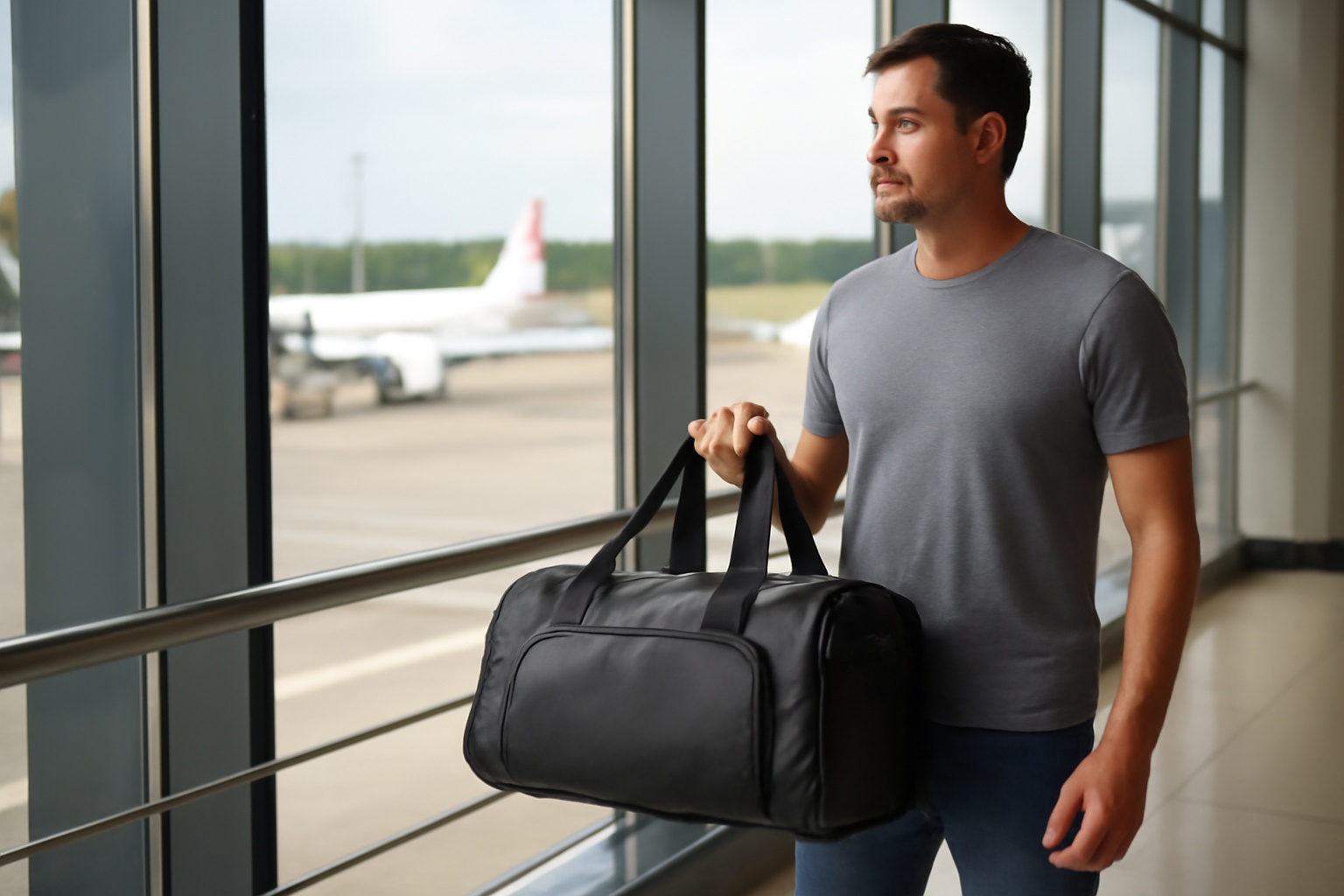
Sports gym bags are one of the most common types of bags people use when traveling. They are small, soft-sided bags that are flexible enough to fit in overhead compartments or under the seat in front of you. The compact design of gym bags makes them ideal for short trips, and they are perfect for carrying a change of clothes or a few toiletries.
Pros:
-
Flexibility: Gym bags can be squeezed into tight spaces, making them highly adaptable to various travel situations.
-
Lightweight: Their lightweight design means you won’t have to worry about exceeding weight limits for carry-ons, which is important considering most airlines have weight restrictions for carry-on luggage.
-
Versatile: Gym bags can be used for more than just exercise gear. Many travelers use them as day bags for excursions or as weekend getaway bags.
Cons:
-
Limited Organization: While gym bags are typically simple in design, they often lack compartments and pockets for organizing your travel essentials. This may cause issues when you need to quickly access specific items.
-
Protection Issues: Gym bags do not offer the same protection as hard-shell carry-ons, which could lead to damage if you are carrying fragile items like electronics.
Duffel Bags as Sports Bags
Duffel bags are essentially a larger version of gym bags. They are cylindrical and provide more packing space, which makes them suitable for longer trips. However, their size can sometimes be a disadvantage, especially if it exceeds the carry-on limits of certain airlines.
Pros:
-
Large Capacity: Duffel bags provide a significant amount of space, making them perfect for travelers who need to pack bulky items like shoes, clothes, or sports equipment.
-
Lightweight: Most duffel bags are lighter than traditional suitcases, which makes them a good choice for travelers looking to pack a lot without exceeding weight limits.
-
Easy to Pack: Duffel bags are often easier to pack because they have one large compartment that can be expanded to accommodate a variety of items.
Cons:
-
Size Limits: Because they tend to be larger than gym bags, duffels may exceed the carry-on size limits for certain airlines, especially if the bag is overpacked.
-
Lack of Organization: Like gym bags, duffels may not offer sufficient internal organization for items like toiletries, electronics, and other essentials.
Sports Backpacks
Sports backpacks are similar to regular backpacks but are designed to accommodate sports gear, including shoes, balls, and other equipment. These bags are particularly popular among athletes and travelers who prefer hands-free mobility.

Pros:
-
Comfortable to Carry: With padded straps and a well-distributed weight system, sports backpacks are among the most comfortable options for carrying luggage, especially if you plan to walk long distances through airports.
-
Organization: Sports backpacks typically come with multiple compartments, making it easier to organize small items such as chargers, snacks, or travel documents.
-
Perfect for Day Trips: Many sports backpacks are compact enough to function as personal items, making them a great choice for short trips or for storing items you may need quick access to during your flight.
Cons:
-
Limited Capacity: While backpacks are comfortable, they often lack the space required for longer trips. Packing a backpack for extended travel may require careful planning and minimalistic packing.
-
Security Concerns: Some travelers feel that backpacks may be more vulnerable to theft because they are carried on your back, making it harder to monitor the bag’s security.
Wheeled Sports Bags
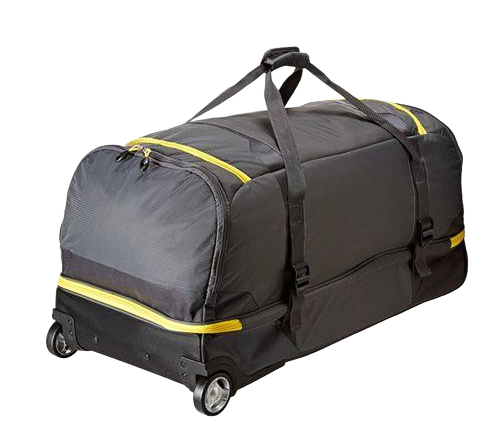
Wheeled sports bags combine the best features of duffels and hard-shell luggage. They provide ample storage space while allowing for easy maneuverability thanks to built-in wheels.
Pros:
-
Convenience: The wheels on these bags make them easy to pull through airports, making them a popular choice for travelers who may have large or heavy loads.
-
Durability: Many wheeled sports bags are designed with sturdier materials, making them more durable than soft-sided bags.
-
Large Capacity: These bags often have more space than traditional carry-ons, which makes them ideal for longer trips or when you need to pack heavier items.
Cons:
-
Size Concerns: While they are highly functional, wheeled sports bags can be bulkier than other types of sports bags. This can make them non-compliant with the carry-on size regulations of certain airlines.
-
Weight: Due to their larger size and additional features (wheels, frames), these bags tend to be heavier than regular gym bags or duffels.
Airline Regulations on Carry-On Bags
Understanding the rules and regulations for carry-on luggage is crucial to ensure your sports bag meets the requirements of airlines. Let’s explore the most common regulations concerning size and weight restrictions.
Size Limits and Restrictions
In general, airlines have specific size limits for carry-on luggage. While the exact dimensions may vary from airline to airline, most airlines allow carry-ons of approximately 22″ x 14″ x 9″ (56 cm x 36 cm x 23 cm). Let’s take a closer look at how various types of sports bags measure up.
| Airline | Carry-On Dimensions (L x W x H) | Weight Limit |
|---|---|---|
| American Airlines | 22″ x 14″ x 9″ (56 cm x 36 cm x 23 cm) | 15 lbs (7 kg) |
| Delta Airlines | 22″ x 14″ x 9″ (56 cm x 36 cm x 23 cm) | 15 lbs (7 kg) |
| United Airlines | 22″ x 14″ x 9″ (56 cm x 36 cm x 23 cm) | 15 lbs (7 kg) |
Weight Limitations
In addition to size limits, most airlines impose a weight restriction for carry-on luggage. The weight limit is typically 15 lbs (7 kg). Because most sports bags are relatively lightweight, they tend to fall within this weight limit, provided they are packed efficiently.
Personal Items and Sports Bags
Many airlines allow travelers to bring one personal item in addition to their carry-on luggage. This personal item is usually a small bag, such as a backpack or purse, that can fit under the seat in front of you. Depending on the size of your sports bag, it may qualify as a personal item. Smaller sports backpacks, for instance, are often within the acceptable size for personal items, making them a great option for additional convenience.
Pros and Cons of Using a Sports Bag as a Carry-On
Using a sports bag as a carry-on has both advantages and disadvantages. Let’s weigh the pros and cons to help you determine if it’s the right choice for your travel needs.
Pros
-
Versatility: Sports bags serve multiple purposes, making them an ideal choice for both travel and sports activities. They can double as gym bags, travel bags, and weekend getaway bags.
-
Comfort: Many sports bags, particularly backpacks, are designed with comfort in mind. The adjustable straps and ergonomic designs make them easy to carry, even for extended periods.
-
Flexibility: Sports bags are often more flexible than hard-shell suitcases. Their soft-sided construction allows them to fit into tight spaces on planes, making them a good option for fitting under the seat or in overhead bins.
Cons
-
Size and Space Issues: Not all sports bags are within the size limits for carry-ons. Larger bags, like duffels, may exceed size restrictions if overpacked.
-
Protection for Fragile Items: Sports bags are generally not designed to protect fragile items, such as electronics, as effectively as hard-shell luggage.
-
Organization Issues: Some sports bags may lack internal compartments, which could lead to a disorganized carry-on experience. Packing cubes and pouches can help mitigate this issue, but it’s something to keep in mind.
How to Pack a Sports Bag for Air Travel
Organizing for Efficiency
Maximize the packing space of your sports bag by using packing cubes, compression bags, and Ziploc bags to organize your items. This will not only help you save space but also make it easier to access specific items when needed.
Protecting Fragile Items
To protect fragile items like electronics, pack them in soft clothing or dedicated padded cases. This will help prevent damage and ensure your items are safe during transit.
Travel Hacks with Sports Bags
-
Use External Pockets: Pack items you need quick access to, such as snacks, headphones, or your travel documents, in the outer pockets of your sports bag.
-
Rolling Clothes: Rolling clothes instead of folding them can save space and reduce wrinkles.
Understanding Travel Trends and Regulations in 2025
Travel regulations continue to evolve. As airlines adapt to new technologies, the rules around luggage are becoming more flexible. We can expect more airlines to relax certain restrictions for soft-sided bags like duffels and gym bags.
Recent Changes in Airline Policies
Airlines are starting to increase the size limits for carry-on luggage and are offering more flexibility for sports bags. As more travelers seek versatility in their carry-ons, airlines are responding by adjusting their policies accordingly.
Emerging Trends in Sports Bags for Travel
In 2025, we can expect to see more advanced sports bags that feature sustainable materials, added compartments, and even technology like built-in charging ports or tracking devices.
The Future of Carry-On Bags and Travel Convenience
The future of carry-on bags is all about convenience, innovation, and sustainability. As smart luggage becomes more popular, sports bags will likely evolve to integrate smart technology.
Smart Carry-On Solutions
Smart luggage with built-in features like GPS tracking, biometric locks, and USB charging ports is set to become more mainstream. Sports bags will likely follow this trend and incorporate similar features.
Sustainability and Eco-Friendly Travel Options
Eco-friendly materials are becoming more important in the travel industry. Many brands are now designing sports bags that use recycled materials or sustainable fabrics, catering to the growing number of eco-conscious travelers.
Frequently Asked Questions (FAQs)
Can a sports gym bag be used as a carry-on?
Yes, as long as the sports gym bag fits within the airline’s size and weight restrictions, it can be used as a carry-on. Make sure to measure the bag and avoid overpacking.
What is the maximum size for a carry-on sports bag?
The typical carry-on size limit is 22″ x 14″ x 9″ (56 cm x 36 cm x 23 cm). Check with your airline for exact specifications.
Are duffel bags allowed as carry-ons?
Duffel bags can be used as carry-ons, provided they comply with size and weight restrictions. Keep in mind that larger duffels may exceed the size limit.
How do I pack a sports bag to avoid exceeding weight limits?
Use lightweight packing methods like rolling clothes and using packing cubes to maximize space. Also, avoid packing heavy items such as large shoes or bulky sports equipment.
Are there any disadvantages to using a sports bag as a carry-on?
Some sports bags may not provide enough protection for delicate items and may lack internal compartments for organization.
Conclusion: Is a Sports Bag a Suitable Carry-On?
In conclusion, a sports bag can be an excellent choice for a carry-on, depending on your travel needs and the airline’s regulations. Whether you choose a gym bag, duffel, backpack, or wheeled sports bag, it’s essential to ensure the bag fits within the airline’s size and weight limits. With careful packing and a little preparation, sports bags offer a flexible, comfortable, and practical solution for air travel.
References Source List:
-
“Carry-on Luggage Restrictions: Understanding the Rules.” Airlines for America.
-
“The Science of Packing: Maximizing Space and Weight in Travel.” International Travel Institute.
-
“Travel Bags and Luggage: Choosing the Right Bag for Your Journey.” Consumer Reports.
-
“The Growth of Smart Luggage and Its Impact on Travel.” Travel Industry Research.
-
“Packing for Air Travel: A Guide to Luggage and Regulations.” World Travel & Tourism Council.
-
“Trends in Luggage Design and Functionality for 2025.” Travel + Leisure Magazine.
-
“Carry-On Baggage: What You Need to Know.” The Transportation Security Administration (TSA).
-
“The Future of Airline Travel: New Regulations and Technologies.” International Air Transport Association (IATA).
Semantic Closure for Sports Bag Carry-On Use
=== Sports bags, including gym bags, duffels, and backpacks, offer an excellent solution for carry-on luggage if packed efficiently and within the airline’s restrictions. Sports bags are versatile, comfortable, and often more flexible than traditional luggage. While they may not offer the same level of protection or organization, their benefits outweigh these drawbacks for short to medium-length trips. By staying informed about airline regulations and the latest trends, travelers can make the most of their sports bag as a carry-on option.
Previous News
What is the Difference Between a Backpack and a...Next News
When to Start a Maternity Bag?