
=== Preparing for the arrival of your baby involves packing a maternity bag. Learn the best time to start packing, essential items to include, and tips for a stress-free hospital stay.
Introduction: Why Packing a Maternity Bag Early is Crucial
When preparing for childbirth, many expecting parents are overwhelmed with the various tasks leading up to labor and delivery. One key preparation is packing your maternity bag, a task that may seem simple but is crucial to reducing stress when the big day arrives. Packing early helps avoid the panic of rushing to gather your items when labor begins.
Importance of Early Preparation:
According to a 2020 study by the National Institutes of Health (NIH), early preparation for childbirth, including packing a maternity bag, significantly reduces the stress levels of expecting mothers . This simple act gives you a sense of control and readiness. Plus, having everything packed before the final weeks can prevent forgetting essential items during the chaos of labor.
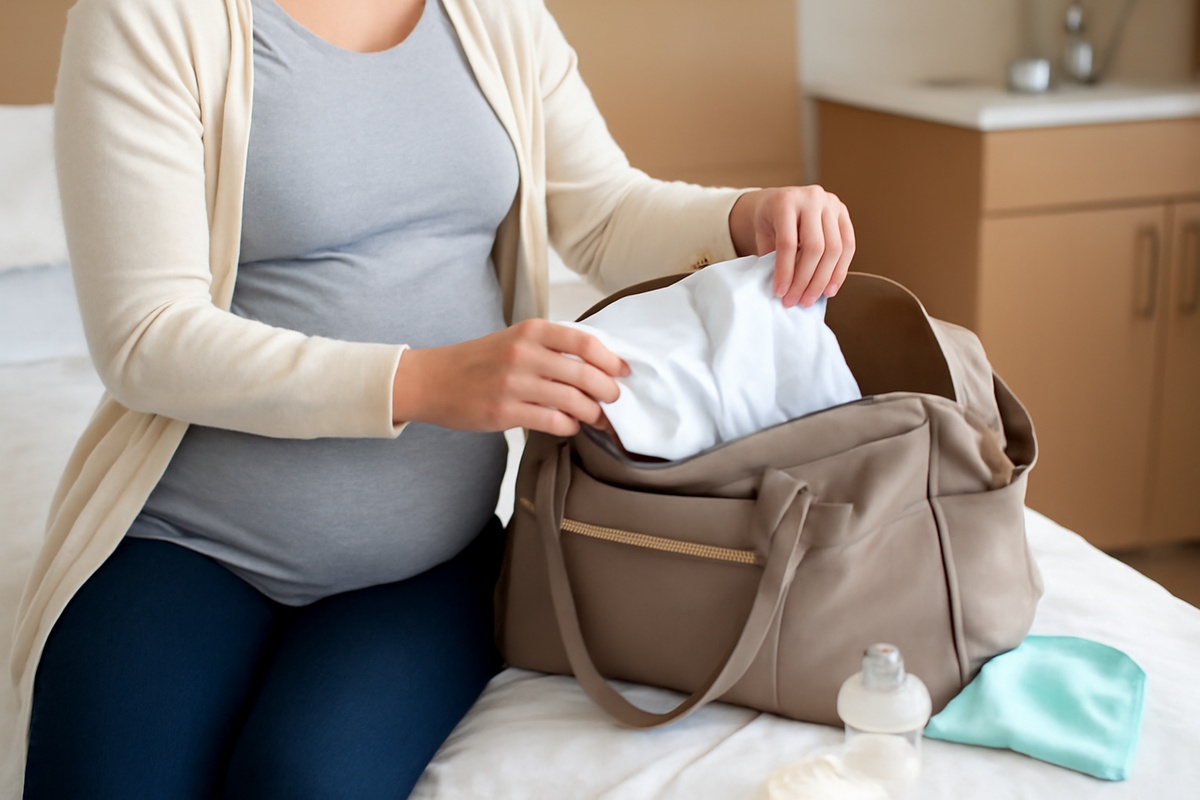
When to Start Packing Your Maternity Bag?
The Ideal Time to Pack Your Maternity Bag
Research suggests that the best time to start packing your maternity bag is around 32 to 34 weeks of pregnancy. This timeline gives you plenty of time to get everything ready without rushing, and ensures you are prepared in case your baby decides to arrive early.
A 2018 study from the British Medical Journal found that approximately 10% of pregnancies experience preterm labor, occurring before 37 weeks . Thus, packing early is important to avoid stress if your baby arrives ahead of schedule.
What Happens if You Leave it Too Late?
Procrastinating on packing your maternity bag may lead to unnecessary stress and confusion. Studies on prenatal anxiety indicate that stress experienced in the late stages of pregnancy can negatively affect a mother’s experience during labor . Having your bag packed well in advance minimizes the chances of forgetting important items like maternity pads or baby clothing, which can be difficult to gather at the last minute.
What to Include in Your Maternity Bag
Essential Items for the Mother
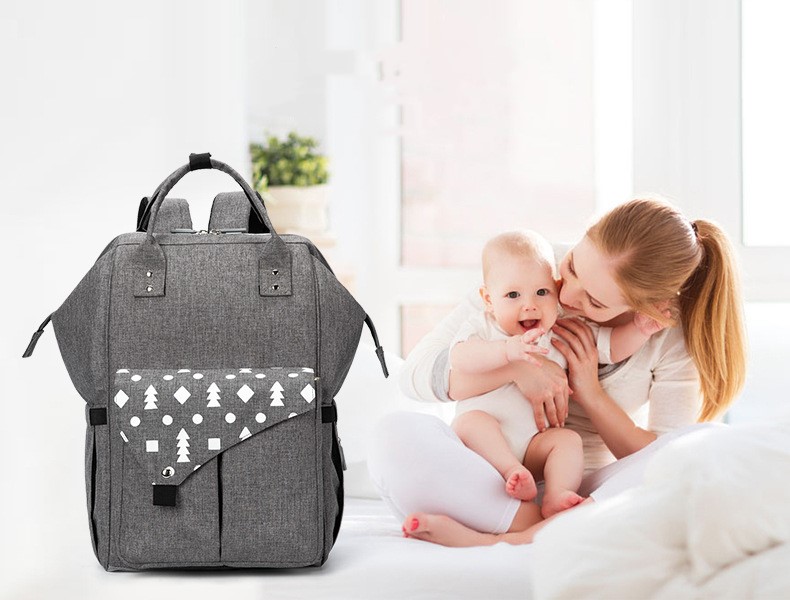
Packing for yourself is just as important as packing for your baby. As you prepare for labor, you’ll want to ensure that you have everything needed to stay comfortable during your hospital stay.
-
Clothing and Comfort Items:
Comfortable, loose clothing is a must. Consider packing a hospital gown or two, slippers, socks, a robe, and a nursing bra. According to a study published by the University of Sydney, many mothers reported feeling more comfortable in their own clothing during and after delivery . It’s also a good idea to bring a cozy blanket for comfort during your stay. -
Toiletries:
Basic toiletries such as toothpaste, deodorant, shampoo, conditioner, and facial wipes are essential. Hospitals provide some of these items, but having your personal items will help you feel more refreshed. An American Pregnancy Association study showed that mothers who packed personal hygiene items in their maternity bag experienced less stress than those who did not . -
Insurance and Paperwork:
Pack your ID, insurance details, and birth plan. These documents are often requested when you arrive at the hospital, and being organized will save you time. -
Snacks and Drinks:
Labor can last for hours, and having some snacks to keep you energized is key. Choose non-messy, easy-to-eat snacks like granola bars, nuts, or crackers. According to research from the American Journal of Obstetrics and Gynecology, staying hydrated during labor can help with fatigue and improve overall labor progression .
What to Pack for Your Baby
When it comes to packing for your newborn, keep things simple and practical. Your baby will need some essential items during and after delivery.
-
Clothing for the Baby:
Pack a few onesies, socks, mittens, and hats for your newborn. Make sure to bring an outfit for the baby to wear when leaving the hospital. -
Diapers and Wipes:
Hospitals usually provide diapers, but it’s a good idea to bring a small supply of newborn-sized diapers and wipes just in case. A study by the American Academy of Pediatrics found that newborns tend to have more sensitive skin, so gentle wipes and diapers are essential . -
Swaddles and Blankets:
Swaddling your baby helps them feel secure and cozy. Pack one or two soft blankets for swaddling, as well as an extra blanket for warmth during the trip home. -
Feeding Essentials:
For breastfeeding moms, bring nipple cream and breast pads. If you’re bottle-feeding, pack formula and bottles. According to a report by the World Health Organization, packing breastfeeding essentials is particularly important to ensure proper latch and comfort during the first few days .
What to Pack for Your Partner
Labor and delivery is a big event for both the mother and the partner. Make sure to pack a few items for your support person.
-
Comfort Items for the Partner:
Pack extra clothing, toiletries, and snacks for your partner. They will likely spend a lot of time at the hospital with you, so having their own supplies will make them feel more comfortable. -
Entertainment or Distractions:
Labor can take a while, so bring something to keep your partner occupied, like books, movies, or music. Some hospitals even have tablets and entertainment systems, but it’s a good idea to pack personal options just in case.
Maternity Bags for Different Delivery Types
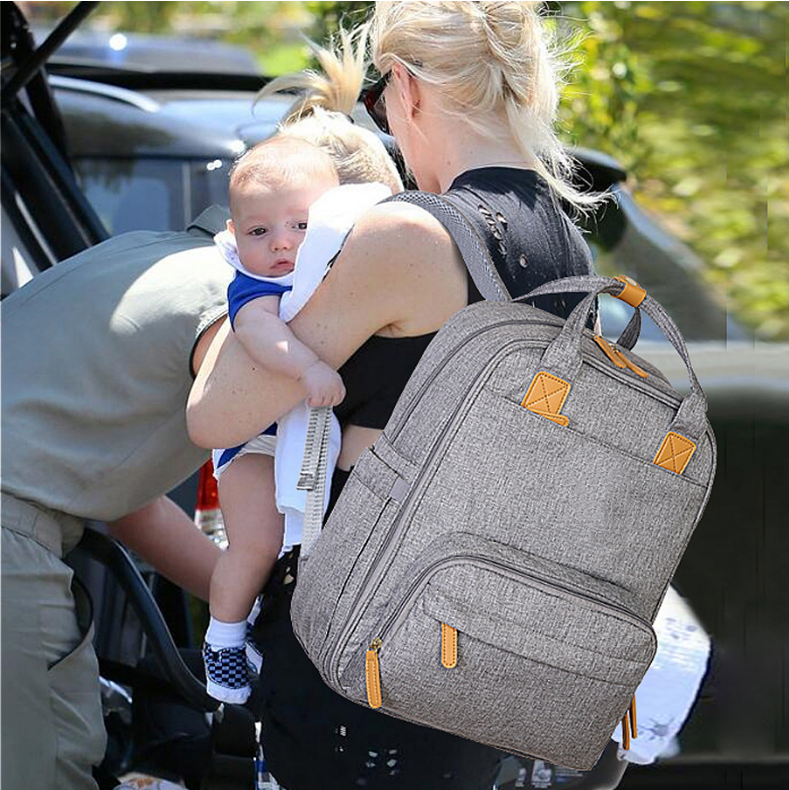
Hospital Bag for Vaginal Delivery
-
Essentials for Natural Birth:
If you’re having a vaginal birth, your bag may not need to be as extensive. Basic essentials like comfortable clothes, baby clothes, diapers, and breastfeeding accessories will be sufficient.
Hospital Bag for Cesarean Section (C-section)
-
Additional Considerations for C-sections:
A C-section requires a longer recovery time, so pack extra maternity pads, post-surgery clothing (like loose-fitting pants or a robe), and any pain relievers your doctor recommends. A 2021 study in the Journal of Obstetrics and Gynecology highlighted that mothers recovering from C-sections need more comfort and support, which can be enhanced by having the right items in their maternity bag .
Tips for Organizing Your Maternity Bag
Use Packing Cubes or Pouches
-
Organized Storage:
Use packing cubes or pouches to keep your maternity bag organized. This makes it easier to locate items quickly when needed, reducing stress during labor. Studies have shown that reducing clutter and being organized can help reduce anxiety, which is particularly important in the hospital setting .
Label Everything Clearly
-
Ease of Access for Your Hospital Team:
Labeling your items, especially important ones like medication or baby clothes, can make it easier for the hospital staff to find them quickly if needed.
Factors to Consider While Packing Your Maternity Bag
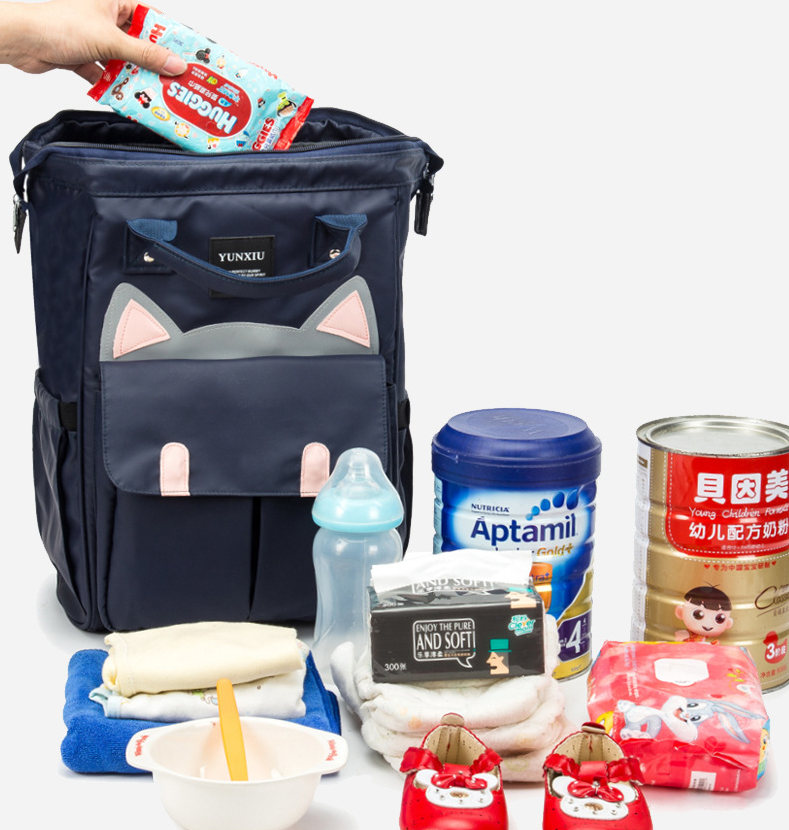
Travel Distance and Location
-
Packing for a Long Drive or Flight:
If you are traveling a significant distance to your hospital, make sure your bag is packed with all the essentials for the journey, including extra pillows, snacks, and comfort items.
Seasonal Considerations
-
Adapting Your Maternity Bag Based on the Season:
Whether it’s summer or winter, the weather will affect your clothing choices. Pack light fabrics for warm weather and extra layers for the cold. Research from the National Health Service (NHS) emphasizes that staying comfortable during your stay is crucial for recovery .
Hospital Specifics
-
Check What the Hospital Provides:
Many hospitals provide essentials like diapers, hospital gowns, and towels. It’s important to check ahead of time to avoid overpacking.
When Should You Pack Your Maternity Bag If You Are Having Multiple Babies?
-
Packing for Twins or More:
If you’re expecting multiples, pack extra items for both babies, including extra clothing, blankets, and diapers. Multiple babies may require more feeding supplies and more time in the hospital, so it’s a good idea to pack your bag earlier.
Conclusion
Packing your maternity bag ahead of time is one of the best ways to ensure you’re ready for labor and delivery. By taking the time to carefully select what to pack, you can reduce stress, stay organized, and focus on what matters most—welcoming your baby. Whether you’re planning for a vaginal birth or a C-section, knowing what to bring and when to pack can make your hospital stay smoother and more comfortable.
FAQ: Google Hot Searches
1. When should I start packing my maternity bag?
-
Experts recommend packing your maternity bag by week 34 of pregnancy to ensure everything is ready before labor.
2. What should be in my hospital bag for labor and delivery?
-
Essential items include comfortable clothing, toiletries, insurance papers, baby clothes, diapers, feeding items, and snacks.
3. Do I need to pack anything for my partner in the hospital bag?
-
Yes, pack essentials like a change of clothes, toiletries, and snacks for your partner.
4. What should I pack for a cesarean delivery?
-
You’ll need post-surgery items like extra maternity pads, comfortable clothing, pain relievers, and a comfortable pillow for breastfeeding.
5. What are some tips for organizing my maternity bag?
-
Use packing cubes or pouches to organize your items, and label everything for easy access by hospital staff.
Semantic Closure for Maternity Bags: Trends and Considerations
=== Preparing your maternity bag early is essential for reducing stress and ensuring a smooth delivery experience. Whether you’re packing for a vaginal birth or C-section, being organized and having everything ready can make a big difference. With consideration for both mother and baby, packing the right items tailored to your needs is the key to a successful hospital stay. Consider your unique needs, hospital requirements, and preferences when selecting items for your maternity bag.
Reference Source List
-
National Health Service (NHS) – “Packing Your Maternity Bag: What You Need”
-
American Pregnancy Association – “Hospital Bag Checklist”
-
BabyCenter – “Hospital Bag Essentials for Mother and Baby”
-
Mayo Clinic – “Packing Your Hospital Bag: What to Include”
-
World Health Organization (WHO) – “Pregnancy, Childbirth, Postpartum, and Newborn Care: A Guide for Essential Practice”
-
Journal of Perinatal Education – “A Comprehensive Guide for Packing Your Hospital Bag”
-
The American College of Obstetricians and Gynecologists (ACOG) – “Preparing for Labor: What to Pack for Your Hospital Stay”
-
University of California, San Francisco (UCSF) Medical Center – “Maternity Hospital Bag Checklist”
-
Mother & Baby UK – “What to Pack in Your Maternity Bag for Labor”
-
The Bump – “Packing Your Hospital Bag: What You Really Need”
Previous News
Can I Use a Sports Bag as a Carry-On?Next News
What is the size of a standard luggage bag