
Recycled polyester (rPET) is reshaping the textile industry by turning PET bottles and textile waste into sustainable, high-performance fibers. With reduced carbon emissions, lower energy use, and strong durability, rPET drives the circular economy while meeting growing consumer and regulatory demands for eco-friendly materials.
As the global textile industry grapples with sustainability challenges, recycled polyester (rPET) has emerged as a crucial solution. Recycled polyester is produced from post-consumer PET bottles and textile waste, transforming discarded plastics into high-performance fibers. Compared with virgin polyester, rPET reduces energy use, carbon emissions, and reliance on non-renewable petroleum resources. Recycled polyester is not only an eco-friendly alternative to virgin polyester but also a key component of the circular economy in textiles.
本视频引用(某某某)
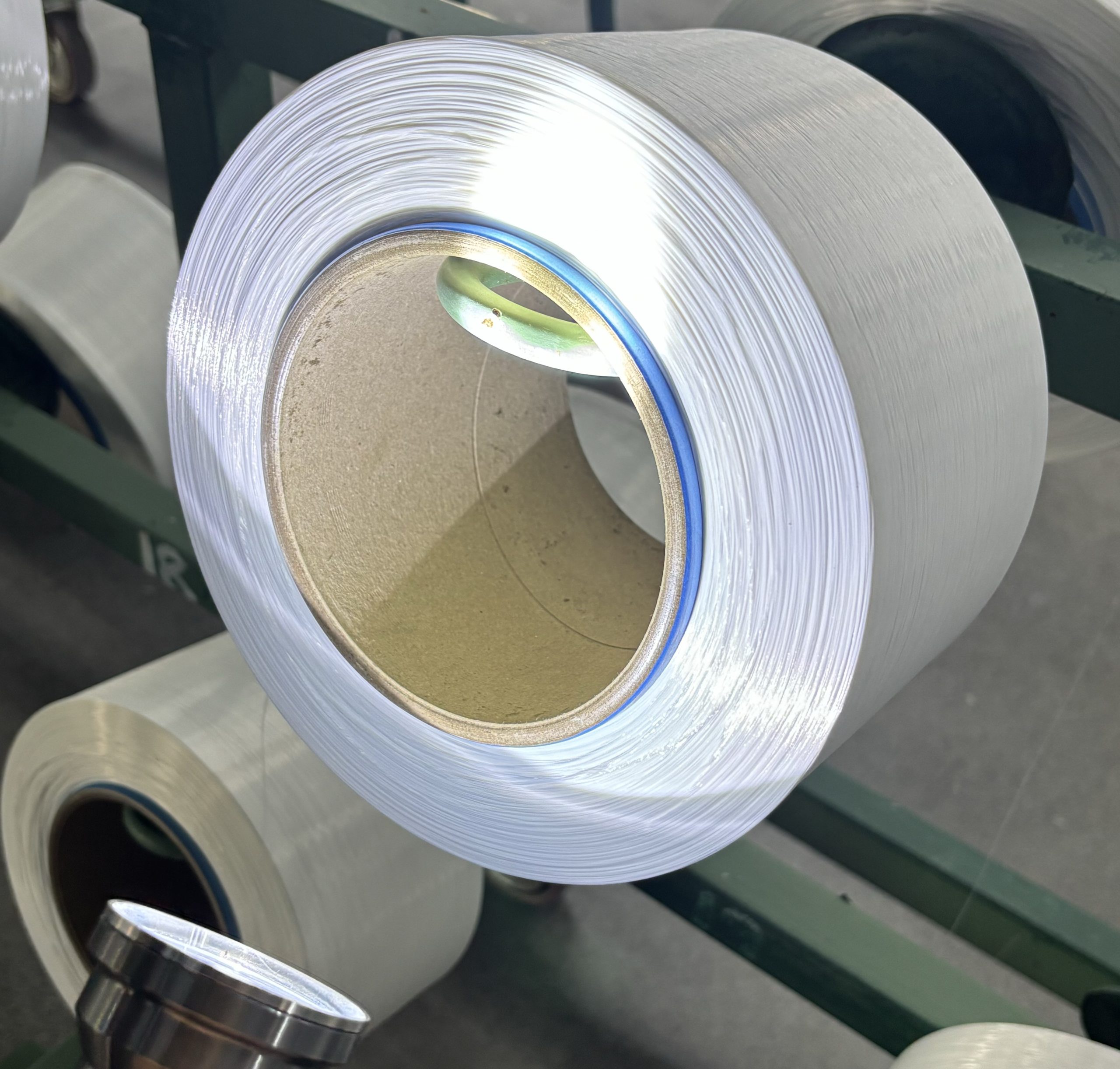
The Rise of Recycled Polyester
The textile and fashion industries are under increasing pressure to adopt sustainable practices. Consumers demand more environmentally friendly options, while governments worldwide are setting stricter regulations on waste, emissions, and resource usage.
According to Textile Exchange (2023), rPET currently represents around 15% of the global polyester market, a figure projected to rise steadily as sustainability commitments expand across fashion and industrial supply chains. This is why recycled polyester is set to lead the way in shaping a more sustainable, resilient, and responsible textile ecosystem.
Key Trends Driving Recycled Polyester Adoption
-
Rising Demand for Sustainability:
The demand for recycled polyester is growing, driven by increased consumer awareness and regulatory pressures. In 2024, the global market for recycled polyester is expected to exceed 10 million tons, accounting for approximately 12–15% of total polyester production. -
Environmental Regulations:
Countries like the European Union, the US, and China are tightening regulations on textile waste management and carbon emissions. Recycled polyester is crucial for meeting these stringent standards, as it significantly reduces the environmental impact of textile production compared to virgin polyester. -
Circular Economy Integration:
As part of the circular economy model, recycled polyester plays a pivotal role in reducing plastic waste by transforming post-consumer PET bottles into new textiles. This reduces the need for virgin petroleum-based resources and closes the loop between production and recycling.
How Is Recycled Polyester Made?
The production of recycled polyester involves the collection, cleaning, and processing of post-consumer waste, primarily PET bottles. This waste is then transformed into new polyester fibers that are virtually identical to those made from virgin polyester.
Production Process:
-
Collection & Sorting: Post-consumer PET bottles and textile waste are collected, sorted, and cleaned to remove impurities.
-
Shredding: The cleaned bottles are shredded into small chips for further processing.
-
Polymerization & Spinning: The shredded chips undergo a polymerization process to create polyester pellets, which are then melted and spun into fibers.
-
Textile Production: The resulting fibers are woven or knitted into fabrics for use in apparel, home textiles, and industrial applications.
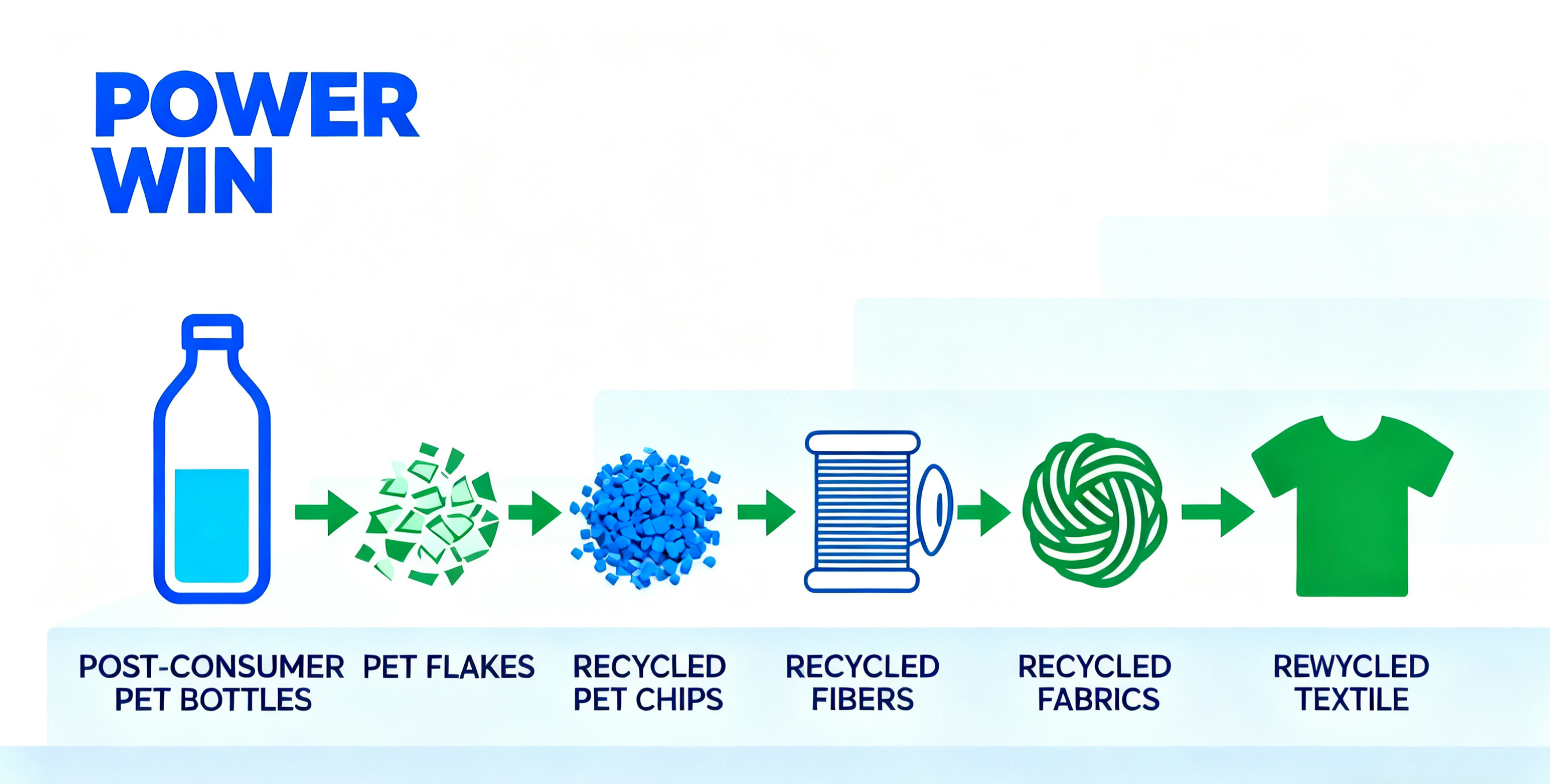
Recycled polyester is created by transforming post-consumer plastic waste—such as PET bottles—into high-quality fibers through an advanced mechanical or chemical recycling process. The collected plastics are cleaned, shredded into flakes, melted, and then spun into new polyester yarns. This process not only reduces landfill waste and lowers reliance on virgin petroleum resources, but also significantly cuts down carbon emissions, making recycled polyester an eco-friendly alternative widely adopted in textiles, fashion, and industrial applications.
The Benefits of Recycled Polyester
Environmental Impact
-
Reduced Carbon Footprint: Producing recycled polyester uses up to 59% less energy and emits up to 32% less CO₂ compared to virgin polyester production.
-
Waste Reduction: Every ton of recycled polyester can save over 6,000 PET bottles from ending up in landfills or the ocean.
-
Water Usage: The production of recycled polyester requires significantly less water, making it a more sustainable alternative for water-intensive textile production.
Environmental Impact Comparison – Recycled vs Virgin Polyester
| Category | Virgin Polyester (per ton) | Recycled Polyester (per ton) | Reduction Rate |
|---|---|---|---|
| Energy Consumption | ~125 MJ | ~85 MJ | -32% |
| Carbon Emissions | ~5.5 tons CO₂ | ~3.0 tons CO₂ | -45% |
| Water Usage | ~90 m³ | ~55 m³ | -39% |
| Waste Reduction | Minimal | Significant (PET bottles, etc.) | N/A |
Source: Textile Exchange, Global Recycled Standard (GRS) 2023
This data illustrates how adopting rPET directly contributes to carbon neutrality goals and circular economy practices.
Economic Advantages
-
Cost Competitiveness: As recycling technologies become more efficient, the cost of recycled polyester continues to decline, making it increasingly cost-competitive with virgin polyester.
-
Supply Chain Transparency: The growing demand for transparency in textile supply chains allows manufacturers using recycled polyester to showcase their commitment to sustainability, boosting brand image and consumer trust.
Technological Innovations in Recycled Polyester Production
Recent advancements in technology are enhancing the efficiency, quality, and scalability of recycled polyester production. These innovations are critical in meeting both market demand and environmental targets.
-
Chemical Recycling:
Unlike traditional mechanical recycling, chemical recycling can break down polyester to its raw monomers, enabling the recycling of polyester that was previously difficult to process. This process offers the potential for infinite recyclability, as it does not degrade the material’s quality. -
Advanced Sorting Technologies:
Innovations in AI-driven sorting technologies enable better identification and separation of polyester-based waste from other materials, enhancing the efficiency of recycling operations. -
Closed-Loop Systems:
Some textile producers are adopting closed-loop recycling systems, in which end-of-life garments are recycled back into new textile products, creating a truly circular supply chain.
Challenges and Opportunities for Recycled Polyester
While recycled polyester offers substantial benefits, it is not without its challenges. These include:
-
Limited Supply of High-Quality Feedstock:
The availability of high-quality PET waste suitable for recycling is still limited, and more investment is needed to increase collection and recycling rates, especially in regions with low recycling infrastructure. -
Cost Competitiveness with Virgin Polyester:
While the cost of recycled polyester is decreasing, it is still generally higher than virgin polyester in some regions. However, this gap is narrowing as recycling technologies improve and economies of scale are realized. -
Public Perception:
Despite its environmental benefits, recycled polyester still faces skepticism from some consumers who believe it is not as durable or high-quality as virgin polyester. Education and transparency are key to overcoming this perception.
Expert Insights on the Future of Recycled Polyester
“The future of recycled polyester lies in the development of more efficient chemical recycling processes and increased global infrastructure for waste collection and sorting. As technology advances, the scalability of recycled polyester will expand, leading to lower costs and higher adoption in global supply chains.”
— Dr. Zhang Wei, Sustainability Expert
“Circularity in textiles is not just a trend but a necessity for the survival of the industry. Recycled polyester is at the heart of this shift, and those who invest in sustainable practices now will lead the market in the coming decades.”
— Ms. Li Jun, Textile Industry Analyst
“Recycled polyester is no longer just a sustainable choice—it is becoming a strategic necessity for global brands.”
— Dr. Li Wen, Textile Sustainability Consultant
Conclusion: The Way Forward for Recycled Polyester
The adoption of recycled polyester is not just an option—it is rapidly becoming a necessity for the textile industry. With growing consumer demand for sustainable products, tighter environmental regulations, and technological advancements, recycled polyester represents the future of textiles. Companies that integrate recycled polyester into their product lines will not only contribute to environmental conservation but will also gain a competitive edge in the global market.
The future is green, and recycled polyester is leading the way.
References
-
Global Recycled Standard (GRS) Report 2024
-
Textile Exchange’s Materials Market Report 2025
-
“The Circular Economy in Textiles: A Global Overview,” Textile World
-
Environmental Protection Agency (EPA), Sustainability Guidelines for the Textile Industry
FAQs
1. What makes recycled polyester different from virgin polyester?
Recycled polyester is produced from post-consumer PET bottles, textile waste, and other plastic resources, reducing dependency on petroleum-based raw materials. Unlike virgin polyester, it significantly lowers carbon emissions, energy consumption, and water usage.
2. Is recycled polyester as durable as virgin polyester?
Yes. Modern recycling technologies ensure that recycled polyester fibers maintain comparable strength, elasticity, and versatility. This makes it suitable for a wide range of applications, from fashion apparel to technical textiles.
3. How does recycled polyester contribute to a circular economy?
By transforming waste into valuable textile fibers, recycled polyester supports a closed-loop system. It reduces plastic pollution, minimizes landfill waste, and promotes a more sustainable global supply chain.
Previous News
The Ultimate Guide to Polyester Filament: Scien...Next News
3 Ways Mass-Dyed Filaments Are Changing the Gam...